
(0 Comentarios)
Comenta y valora este libro
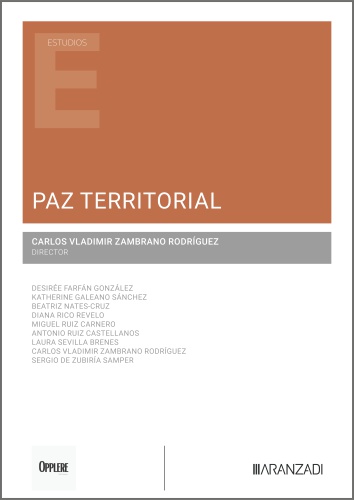
La obra examina la paz territorial como fenómeno políticocultural emergente, anclado en la experiencia histórica del conflicto colombiano y en el proceso de negociación con las Fuerzas Armadas Revolucionarias de Colombia Ejército del Pueblo. Parte del tridente original garantizar derechos, fortalecer instituciones, promover la participación local para mostrar su doble función como mecanismo de legitimación estatal y como fuerza instituyente capaz de reorientar el proyecto político nacional.
El libro desarrolla la paz territorial como dispositivo configuracional que articula prácticas sociales, saberes expertos y subalternos, experiencias comunitarias y marcos institucionales. A través de un enfoque histórico, conceptual y aplicado, aborda la territorialización de la paz, la diversidad territorial y la producción de tecnologías ciudadanas que transforman las formas de organización colectiva y de gobernanza de la conflictividad.
La obra ofrece:
Relectura de la paz territorial desde el derecho romano, la ocupación de América y el estatuto jurídico de pueblos indígenas.
Análisis de la paz territorial como campo en disputa que articula territorio, subjetividad, gobernanza y reconfiguración del proyecto nacional.
Estudio de configuraciones locales de paz territorial, su dimensión epistemológica y su traducción en dispositivos de participación, memoria e infraestructura.
PREÁMBULO
LA PAZ TERRITORIAL INSTITUYENTE
CARLOS VLADIMIR ZAMBRANO . . . . . . . . . . . . . . . . . . . . . . . . . . . . . . . . . 21
PRÓLOGO
DE LA PAZ TERRITORIAL A LOS TERRITORIOS DE PAZ UNA CUESTIÓN DE RECIPROCIDAD
CARLOS VLADIMIR ZAMBRANO . . . . . . . . . . . . . . . . . . . . . . . . . . . . . . . . . 34
INTRODUCCIÓN
LA PAZ TERRITORIAL, EL LIBRO
CARLOS VLADIMIR ZAMBRANO . . . . . . . . . . . . . . . . . . . . . . . . . . . . . . . . . 45
1. ¿Por qué paz territorial? . . . . . . . . . . . . . . . . . . . . . . . . . . . . . . . . . . 36
2. El engranaje constructivista . . . . . . . . . . . . . . . . . . . . . . . . . . . . . . 37
3. La organización del libro . . . . . . . . . . . . . . . . . . . . . . . . . . . . . . . . . 39
3.1. La fuerza configuracional . . . . . . . . . . . . . . . . . . . . . . . . . . . . . . 39
3.2. La construcción del concepto . . . . . . . . . . . . . . . . . . . . . . . . . . . . 40
3.3. La territorialización de la paz . . . . . . . . . . . . . . . . . . . . . . . . . . . 41
3.4. La diversidad territorial . . . . . . . . . . . . . . . . . . . . . . . . . . . . . . . . 42
3.5. La producción del dispositivo ciudadano . . . . . . . . . . . . . . . . . . . 44
4. Colofón . . . . . . . . . . . . . . . . . . . . . . . . . . . . . . . . . . . . . . . . . . . . . . . . 45
PARTE I
LA FUERZA CONFIGURACIONAL PAZ TERRITORIAL, OCUPACIÓN DE AMÉRICA Y DERECHO ROMANO
ANTONIO RUIZ CASTELLANOS . . . . . . . . . . . . . . . . . . . . . . . . . . . . . . . . . . 49
1. Introducción . . . . . . . . . . . . . . . . . . . . . . . . . . . . . . . . . . . . . . . . . . . . 49
2. El reconocimiento de las naciones y pueblos . . . . . . . . . . . . . . . 50
3. Los indígenas como menores de edad . . . . . . . . . . . . . . . . . . . . . 52
4. La apropiación por la mera conquista . . . . . . . . . . . . . . . . . . . . . . 55
5. Los conceptos del Derecho romano: res nullius / res communis . 56
6. La creación de poblaciones y la destrucción étnica . . . . . . . . . . 62
7. Bibliografía . . . . . . . . . . . . . . . . . . . . . . . . . . . . . . . . . . . . . . . . . . . . 65
PARTE II
CONSTRUCCIÓN DEL CONCEPTO TODA PAZ ES TERRITORIAL
BEATRIZ NATES-CRUZ . . . . . . . . . . . . . . . . . . . . . . . . . . . . . . . . . . . . . . . . . 71
1. Introducción . . . . . . . . . . . . . . . . . . . . . . . . . . . . . . . . . . . . . . . . . . . . 71
2. Figuras territoriales y procesos de territorialización . . . . . . . . . 72
3. El saber estar de las organizaciones sociales . . . . . . . . . . . . . . . . 78
4. Espacios para entrar en policía . . . . . . . . . . . . . . . . . . . . . . . . . . . . 81
5. Consideración final. Des-sustantivación . . . . . . . . . . . . . . . . . . . 85
6. Bibliografía . . . . . . . . . . . . . . . . . . . . . . . . . . . . . . . . . . . . . . . . . . . . 87
LA PAZ TERRITORIAL: UN CAMPO EN DISPUTA
SERGIO DE ZUBIRÍA SAMPER . . . . . . . . . . . . . . . . . . . . . . . . . . . . . . . . . . . . 91
1. Introducción . . . . . . . . . . . . . . . . . . . . . . . . . . . . . . . . . . . . . . . . . . . . 91
2. Factores históricos de la persistencia y la problemática territorial . . . . . . . . . . . . . . . . . . . . . . . . . . . . . . . . . . . . . . . . . . . . . . . . . . . . 93
3. Hacia una comprensión de las dinámicas territoriales para la construcción de paz . . . . . . . . . . . . . . . . . . . . . . . . . . . . . . . . . . . . . 96
3.1. Eje A . . . . . . . . . . . . . . . . . . . . . . . . . . . . . . . . . . . . . . . . . . . . . . 97
3.2. Eje B . . . . . . . . . . . . . . . . . . . . . . . . . . . . . . . . . . . . . . . . . . . . . . 98
3.3. Eje C . . . . . . . . . . . . . . . . . . . . . . . . . . . . . . . . . . . . . . . . . . . . . . 101
3.4. Matices . . . . . . . . . . . . . . . . . . . . . . . . . . . . . . . . . . . . . . . . . . . . 103
4. Consideraciones finales: un esbozo . . . . . . . . . . . . . . . . . . . . . . . . 107
5. Bibliografía . . . . . . . . . . . . . . . . . . . . . . . . . . . . . . . . . . . . . . . . . . . . 109
PERSPECTIVAS SOBRE UNA IDEA DE PAZ TERRITORIAL
MIGUEL RUIZ-CARNERO . . . . . . . . . . . . . . . . . . . . . . . . . . . . . . . . . . . . . . . 111
1. Introducción . . . . . . . . . . . . . . . . . . . . . . . . . . . . . . . . . . . . . . . . . . . . 111
2. La paz territorial para el acuerdo . . . . . . . . . . . . . . . . . . . . . . . . . . 112
3. Otras nociones de paz territorial . . . . . . . . . . . . . . . . . . . . . . . . . . 115
4. Consideraciones finales . . . . . . . . . . . . . . . . . . . . . . . . . . . . . . . . . . 123
5. Bibliografía . . . . . . . . . . . . . . . . . . . . . . . . . . . . . . . . . . . . . . . . . . . . 125
PARTE III
LA TERRITORIALIZACIÓN DE LA PAZ CONFIGURACIONES DE LA PAZ TERRITORIAL ALREDEDOR DE LOS PDT (2017-2025)
DIANA RICO REVELO . . . . . . . . . . . . . . . . . . . . . . . . . . . . . . . . . . . . . . . . . . 131
1. Introducción . . . . . . . . . . . . . . . . . . . . . . . . . . . . . . . . . . . . . . . . . . . . 131
2. Paz territorial . . . . . . . . . . . . . . . . . . . . . . . . . . . . . . . . . . . . . . . . . . . 132
3. Territorio y construcción de paz . . . . . . . . . . . . . . . . . . . . . . . . . . . 135
4. Método . . . . . . . . . . . . . . . . . . . . . . . . . . . . . . . . . . . . . . . . . . . . . . . . 137
4.1. Muestra . . . . . . . . . . . . . . . . . . . . . . . . . . . . . . . . . . . . . . . . . . . . 137
4.2. Procedimiento . . . . . . . . . . . . . . . . . . . . . . . . . . . . . . . . . . . . . . . 138
4.3. Resultados y análisis . . . . . . . . . . . . . . . . . . . . . . . . . . . . . . . . . . 138
5. Consideraciones finales . . . . . . . . . . . . . . . . . . . . . . . . . . . . . . . . . . 143
6. Bibliografía . . . . . . . . . . . . . . . . . . . . . . . . . . . . . . . . . . . . . . . . . . . . 144
IMPLEMENTACIÓN DE LA PAZ COMO TERRITORIALIZACIÓN
KATHERINE GALEANO SÁNCHEZ . . . . . . . . . . . . . . . . . . . . . . . . . . . . . . . . 149
1. Introducción . . . . . . . . . . . . . . . . . . . . . . . . . . . . . . . . . . . . . . . . . . . . 149
2. El acuerdo y la actualización del PMI . . . . . . . . . . . . . . . . . . . . . . 151
2.1. El contexto de la actualización . . . . . . . . . . . . . . . . . . . . . . . . . . 151
2.2. Transformaciones interseccionales y territoriales . . . . . . . . . . . . 152
2.3. La gobernanza adaptativa . . . . . . . . . . . . . . . . . . . . . . . . . . . . . . 156
3. La paz territorial como campo de disputa epistemológica . . . . 157
3.1. La praxis: la descolonización de la paz . . . . . . . . . . . . . . . . . . . . 160
3.2. Reforzar la paz territorial: el nuevo pacto . . . . . . . . . . . . . . . . . . 163
4. Consideraciones finales . . . . . . . . . . . . . . . . . . . . . . . . . . . . . . . . . . 165
5. Bibliografía . . . . . . . . . . . . . . . . . . . . . . . . . . . . . . . . . . . . . . . . . . . . 166
PARTE IV
LA DIVERSIDAD TERRITORIAL PAZ TERRITORIAL, DIVERSIDAD CORPORAL Y ADIESTRAMIENTO
DESIRÉE FARFÁN GONZÁLEZ . . . . . . . . . . . . . . . . . . . . . . . . . . . . . . . . . . . . 171
1. Introducción . . . . . . . . . . . . . . . . . . . . . . . . . . . . . . . . . . . . . . . . . . . . 171
2. Contextualización del concepto de paz territorial . . . . . . . . . . . 174
3. Corporalidades en los conflictos . . . . . . . . . . . . . . . . . . . . . . . . . . 177
4. Adiestramiento corporal en ejércitos . . . . . . . . . . . . . . . . . . . . . . 180
5. Consideraciones finales . . . . . . . . . . . . . . . . . . . . . . . . . . . . . . . . . . 184
6. Bibliografía . . . . . . . . . . . . . . . . . . . . . . . . . . . . . . . . . . . . . . . . . . . . 186
LA DIVERSIDAD TERRITORIAL Y LAS VARIACIONES DE LA PAZ TERRITORIAL
CARLOS VLADIMIR ZAMBRANO . . . . . . . . . . . . . . . . . . . . . . . . . . . . . . . . . 191
1. Introducción . . . . . . . . . . . . . . . . . . . . . . . . . . . . . . . . . . . . . . . . . . . . 191
2. La diversidad territorial . . . . . . . . . . . . . . . . . . . . . . . . . . . . . . . . . . 195
2.1. Fundamento estructural . . . . . . . . . . . . . . . . . . . . . . . . . . . . . . . 196
2.2. Territorios plurales . . . . . . . . . . . . . . . . . . . . . . . . . . . . . . . . . . . 198
2.3. Configuraciones soberanas . . . . . . . . . . . . . . . . . . . . . . . . . . . . . 200
3. La paz territorial . . . . . . . . . . . . . . . . . . . . . . . . . . . . . . . . . . . . . . . . 202
3.1. Las variaciones de la paz territorial . . . . . . . . . . . . . . . . . . . . . . . 203
3.2. El camino por recorrer . . . . . . . . . . . . . . . . . . . . . . . . . . . . . . . . . 205
4. Consideraciones finales . . . . . . . . . . . . . . . . . . . . . . . . . . . . . . . . . . 207
5. Bibliografía . . . . . . . . . . . . . . . . . . . . . . . . . . . . . . . . . . . . . . . . . . . . 209
PARTE V
LA PRODUCCIÓN DEL DISPOSITIVO CIUDADANO LA PAZ TERRITORIAL COMO TECNOLOGÍA CIUDADANA
LAURA SEVILLA BRENES . . . . . . . . . . . . . . . . . . . . . . . . . . . . . . . . . . . . . . . 217
1. Introducción . . . . . . . . . . . . . . . . . . . . . . . . . . . . . . . . . . . . . . . . . . . . 217
2. Repolitizar el territorio para una paz vivida . . . . . . . . . . . . . . . . 219
3. La participación como vector epistémico y político . . . . . . . . . . 222
4. Memoria, reconocimiento y reinscripción territorial . . . . . . . . . 227
5. Infraestructura, materialidad y reconfiguración territorial . . . 232
6. Consideraciones finales . . . . . . . . . . . . . . . . . . . . . . . . . . . . . . . . . . 235
7. Bibliografía . . . . . . . . . . . . . . . . . . . . . . . . . . . . . . . . . . . . . . . . . . . . 236
EPÍLOGO
LA PAZ TERRITORIAL EN TANTO INTERPELACIÓN HISTÓRICA
CARLOS VLADIMIR ZAMBRANO . . . . . . . . . . . . . . . . . . . . . . . . . . . . . . . . . 247
BIBLIOGRAFÍA
1. Presentación . . . . . . . . . . . . . . . . . . . . . . . . . . . . . . . . . . . . . . . . . . . . 249
2. Selección bibliográfica . . . . . . . . . . . . . . . . . . . . . . . . . . . . . . . . . . . 252
LISTADO ALFABÉTICO DE AUTORES . . . . . . . . . . . . . . . . . . . . . . . . 291
AGRADECIMIENTOS . . . . . . . . . . . . . . . . . . . . . . . . . . . . . . . . . . . . . . . 295
25,00 €
23,75 €
Rodríguez Arbeteta, Benito
Dykinson. 2026
28,00 €
26,60 €
Freitas Macedo, Camilla De; López Herraiz, Pedro Luis; Luque Reina, Antonio Manuel
Dykinson. 2025
65,00 €
61,75 €
Editor : Baró Pazos, Juan
Marcial Pons Ediciones Jurídicas y Sociales. 2018
26,00 €
24,70 €
Sólon Rudá, Antonio
J.M. Bosch Editor. 2025
60,00 €
57,00 €